
I don’t remember the exact year. Must’ve been around ’96. I was at home, watching TV without really paying attention, and then this ad for Solero pops up. Nothing special—except for the music. It was fast, instrumental, like a rap beat but cleaner, sharper, more urgent. Something hit me deep. I didn’t know what it was, but it cut through me.

Solero. No one would guess it, but a commercial for this ice cream was my gateway into drum’n’bass.
A few years later, working as a lifeguard at a water park, one of the guys on the team handed me a flyer for a vinyl shop in Lloret. I went one day, just to see what was up. Spent a while digging without really knowing what I was looking for—until I saw the shop owner chatting with two DJs. I walked over:
—Hey, do you guys know the track from the Solero commercial? It was like rap without vocals, but faster.
They looked at each other. Threw out names: jungle, breakbeat… No one was sure. Me neither.
Two years went by. Same shop. I was flipping through records and found a compilation: In Order To Dance 6 – Session One Drum’n’Bass. Took it home, not expecting much. And boom—there it was: “Stretch (Shogun Remix)” by Ken Ishii. That was the track. And it sounded even better than I remembered. It wasn’t nostalgia. It was identity. It had always been there—I just didn’t know what to call it.
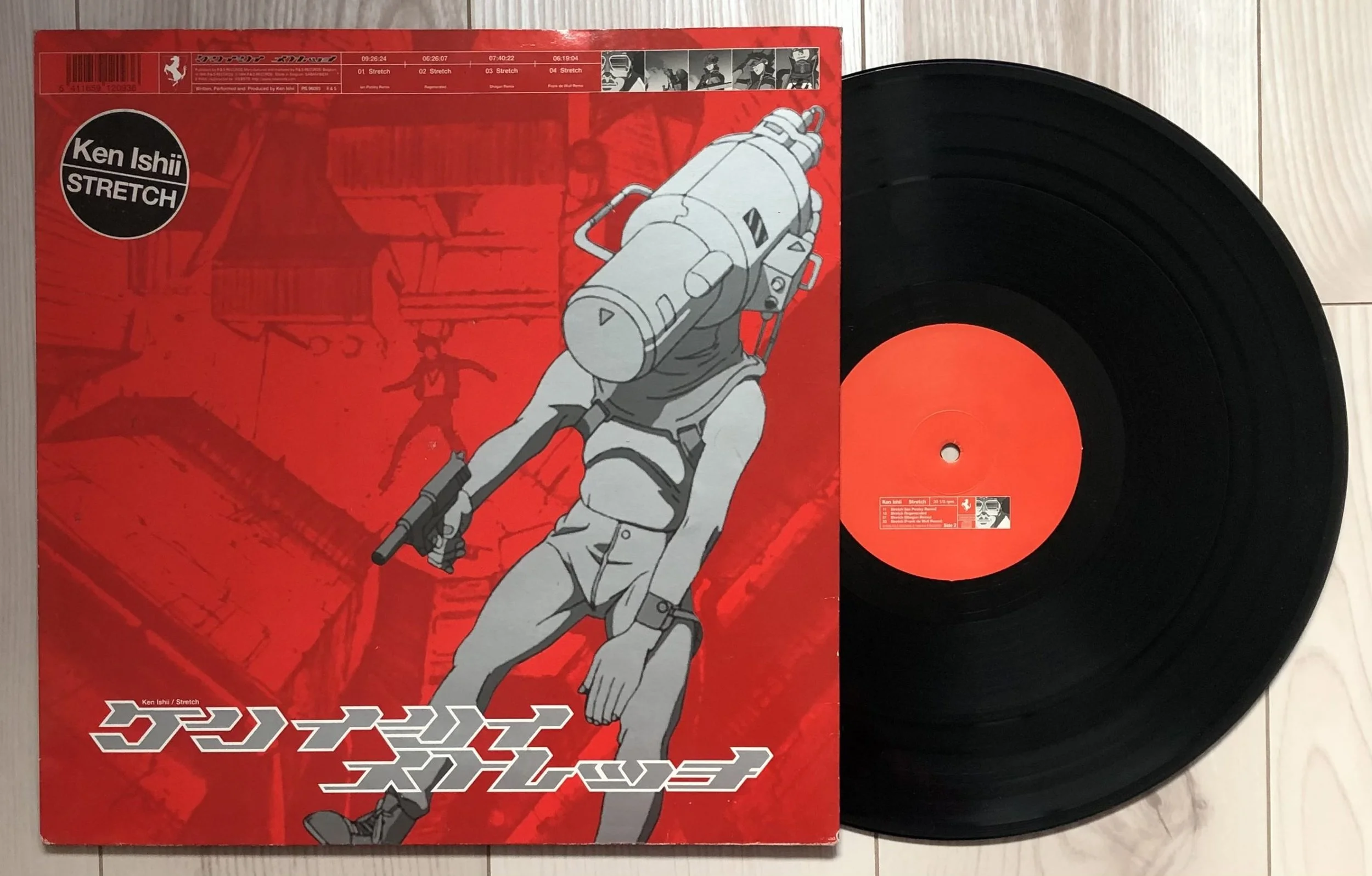
“Stretch (Shogun Remix)” by Ken Ishii
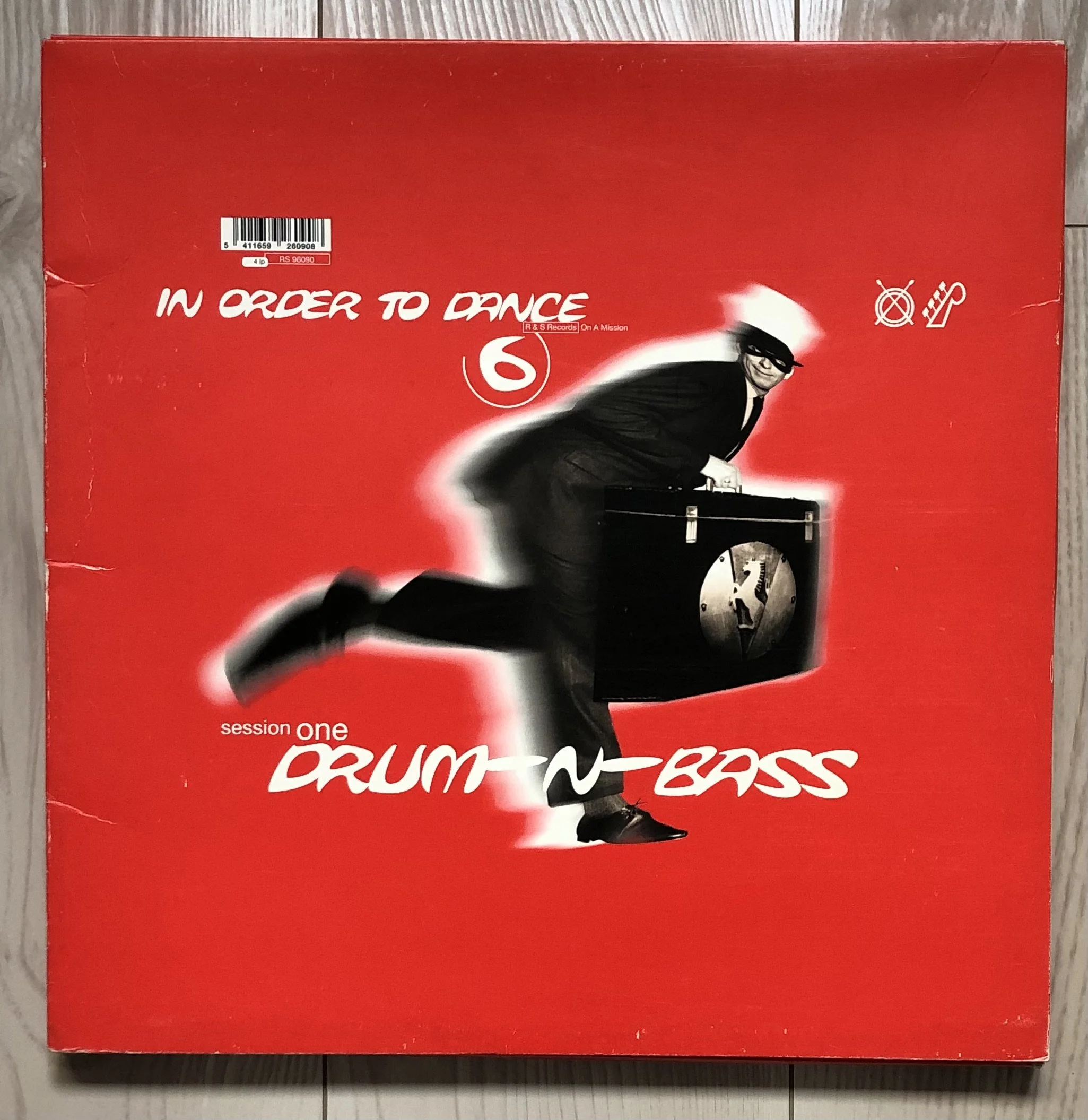
The compilation where, after years of searching, I finally found the track from the ad. “Stretch (Shogun Remix)” by Ken Ishii. Pure drum’n’bass.
But that sound had already been echoing somewhere. Back on the original PlayStation, I’d felt that same energy in games like Wipeout and Street Fighter III. Games where the music wasn’t just background—it was the pulse. The culture. Wipeout felt like a rave at full speed. Street Fighter III had chopped-up breaks, dry basslines, gritty jazz, cut-up vocals. That wasn’t “video game music.” That was the sound of a city.
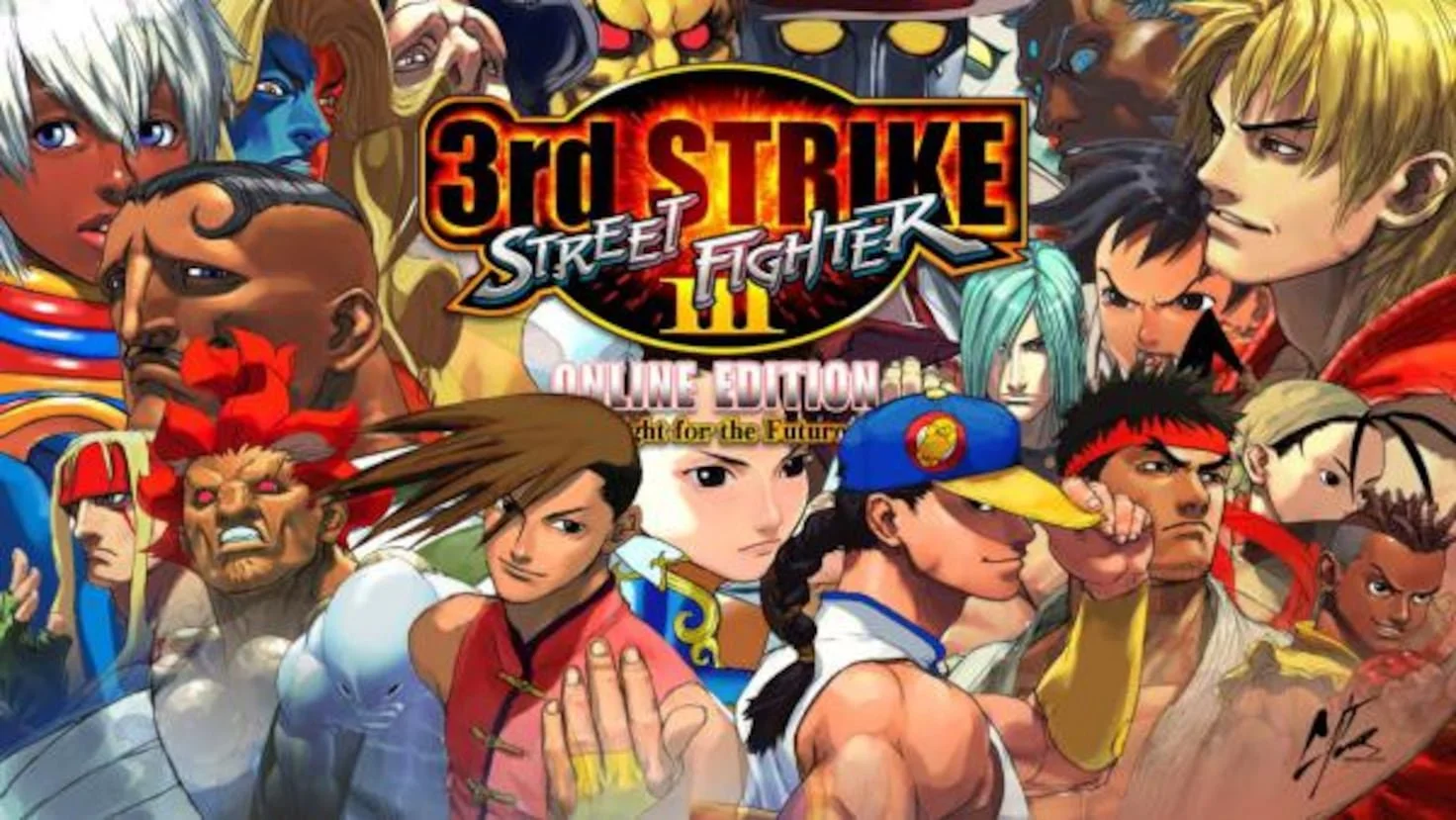
Street Fighter III. Every character had style, but what hit me most was the rhythm.
None of this was a coincidence. In the late ’80s, a Sony engineer named Ken Kutaragi secretly designed the sound chip for the Super Nintendo. Later on, when Sony finally gave him the green light to build a console of his own, the PlayStation was born. CD format. More space. More freedom. And at that exact same moment, drum’n’bass was breaking out of the underground. It came from jungle, from dub, from reggae, straight out of the streets of London. It pushed up to 180 BPMs, dropped back to 160, became atmospheric or turned aggressive—but it never stopped moving.
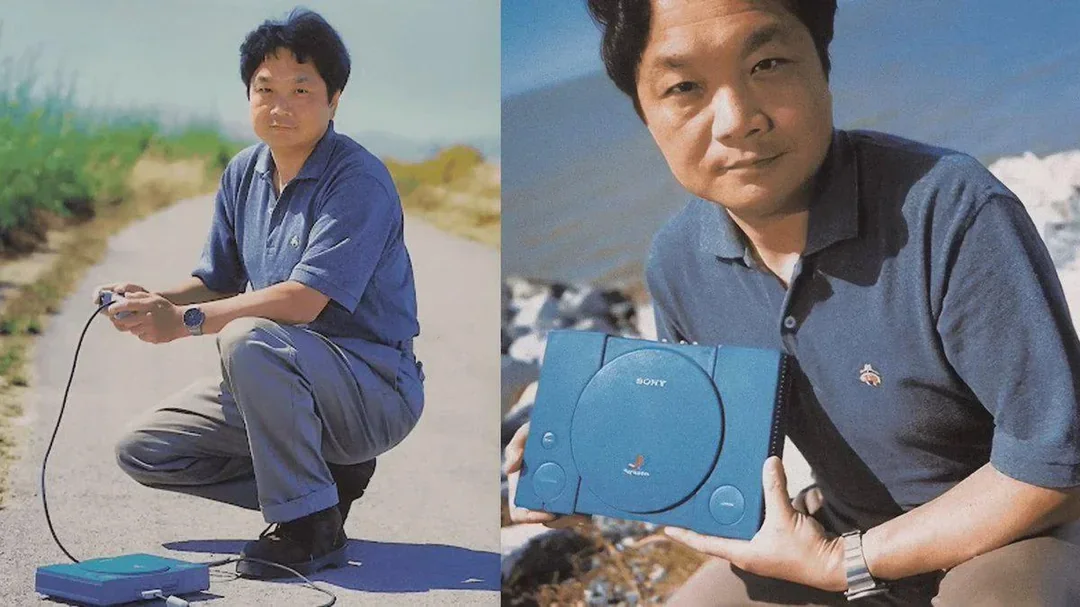
Ken Kutaragi, the “father of the PlayStation.” Without him, video game music wouldn’t have sounded the same. Literally.
And in that same little shop in Lloret, I picked up another record: Platinum Breakz from Metalheadz. Four slabs of vinyl. On the cover, a floating metal skull—the label’s logo. I put it on and it blew my head off. Rufige Kru, Dillinja, Doc Scott, Photek, J Majik… Pure, raw drum’n’bass. Elegant. Relentless.
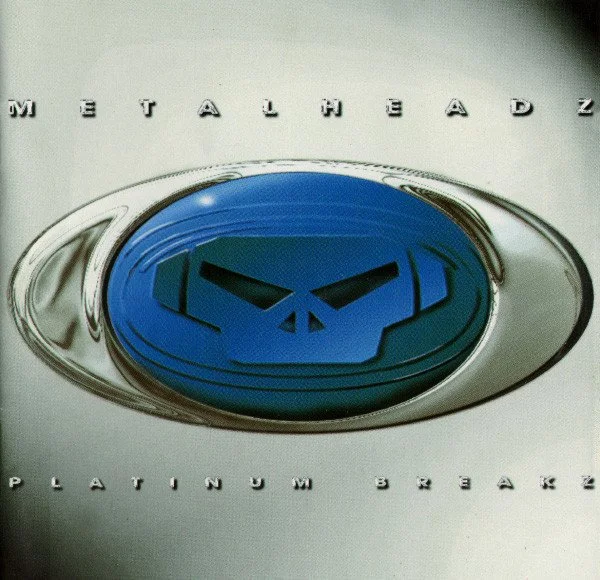
Platinum Breakz. Four records, a metal skull, and a legendary lineup. This record opened up another dimension for me.
Later I found out one of the label’s founders was Goldie. Producer, DJ, graffiti writer for years. And the craziest part? Years later, he hit me up. Goldie messaged me personally to invite me to be part of an exhibition at Aurum Gallery, his art space in Bangkok focused on contemporary and street art. From finding his music without knowing who he was, to getting a message from him asking to show my work. That’s how real connections work. They take time, but they land.
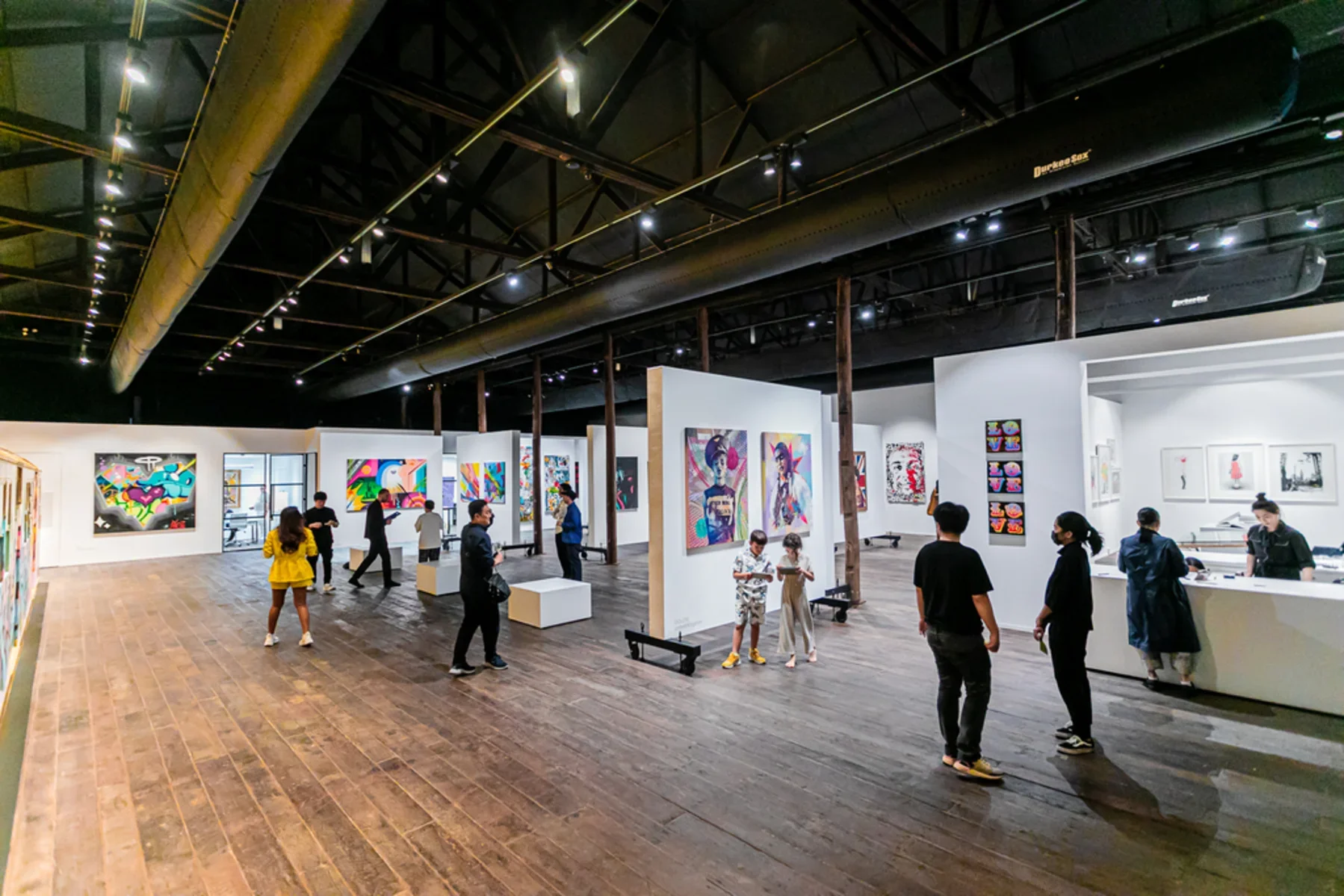
Aurum Gallery, Bangkok. Goldie’s space. Graffiti, urban art, and real energy in every corner. I had the honor of being part of it.
Here are a few links if you wanna hear the kind of music I’m talking about. You don’t need to “get” it. Just put on your headphones—and feel it: